REIT Roofing Services in Detroit, MI
Commercial roofing solutions for real estate investment trusts and institutional property portfolios.
Detroit's commercial real estate market has undergone a genuine institutional renaissance over the past decade, with REITs and institutional investors returning to a market that was significantly underweighted in most portfolios during the post-automotive-crisis period. Agree Realty Corporation, headquartered in the Detroit metro, has built one of the largest net-lease retail portfolios in the country with deep Michigan roots and extensive holdings across the Detroit metro and Michigan statewide. For REIT asset managers with Detroit-area portfolios, roofing is one of the most consequential capital planning decisions in the market — Michigan's climate is genuinely harsh, the building stock includes a significant inventory of older structures with deferred capital histories, and the freeze-thaw cycling that Lake Erie and Lake Michigan proximity drives through the winter months creates roofing failure modes that require local expertise to assess and address effectively.
Detroit's roofing environment is defined by Michigan's Great Lakes climate. The city averages approximately 43 inches of annual snowfall, with significant lake-effect snow events in late fall and early winter that can deliver heavy wet snow loads on commercial roof systems before the heating season is fully operational. More important than the snowfall volume is the freeze-thaw cycling — Detroit experiences dozens of freeze-thaw cycles between November and March, with temperatures crossing the 32-degree threshold repeatedly during storms and temperature swings. Each cycle works water into any membrane breach, expanding the damage through ice formation and drawing it deeper into the insulation assembly with each repetition. This mechanism converts minor maintenance deficiencies into major structural infiltration events over a single Michigan winter in a way that requires ongoing vigilance rather than reactive management.
REIT portfolios in the Detroit market benefit from a preferred vendor program that is specifically designed for Michigan climate requirements. An MSA with a Detroit-area contractor who has worked through multiple Michigan winters, knows the failure patterns of the commercial building stock in the market, and can conduct pre-winter inspections that identify vulnerabilities before the freeze-thaw season begins is genuinely more valuable than a national program that assigns a regional technician who services Michigan as part of a multi-state territory. The practical difference shows up in the quality of vulnerability identification during fall inspections — local knowledge of which building types and system vintages have the most predictable failure points in Michigan winters translates directly into better prioritization of pre-winter repair work.
Property condition assessments for Detroit commercial acquisitions need to account for the city's industrial building heritage. The Detroit market includes a large inventory of former manufacturing facilities — automotive and auto-supply plants, metal fabrication buildings, and industrial service facilities — that have been converted or repositioned into distribution, logistics, and flex-use properties. These buildings frequently carry original built-up roofing systems from the 1960s and 1970s that have been maintained through layers of coatings and patches applied by operators focused on production continuity rather than capital planning. A PCA on these buildings requires a contractor with the technical depth to assess a multi-layer roofing assembly, identify structural deck conditions beneath the layers, and provide a realistic estimate of remaining useful life that accounts for the building's actual history rather than the most recent installation layer's age.
Detroit's automotive supply chain recovery has driven significant industrial acquisition activity, with logistics and distribution buildings near the major automotive assembly plants and Tier 1 supplier facilities generating institutional interest at scale. REIT buyers entering this market need to move quickly on opportunities that often have compressed due diligence timelines, which means having a preferred vendor relationship in place before the acquisition pipeline opens rather than sourcing assessment capacity deal by deal. A trusted local contractor who can conduct rapid PCA-quality roof inspections on target properties is a meaningful competitive advantage in a Detroit industrial market where good assets generate multiple institutional bids.
CapEx versus OpEx treatment is particularly important for Detroit REIT owners because the city's building vintage creates a high frequency of roofing work that spans the maintenance-to-capital boundary. Ongoing patch repairs on an aging built-up system are clearly OpEx. A full membrane replacement over an existing deck is clearly CapEx. But the extensive restoration coating programs and partial replacement work that are often the most economical approach to Detroit's older roofing inventory require careful documentation of scope and intent to support the chosen accounting treatment. A preferred vendor who understands this distinction and writes scopes and documentation accordingly helps asset managers avoid the accounting surprises that come from work that was expected to be OpEx turning out to be CapEx under audit scrutiny.
Agree Realty and similar net-lease operators in the Detroit metro manage portfolios where NNN tenants bear roof maintenance obligations. In Michigan's climate, this creates particular risk around tenant compliance because a Michigan winter can significantly worsen a deferred maintenance condition in ways that are not visible from the exterior during the lease term. Annual third-party roof inspections on NNN properties — conducted by the landlord's preferred vendor — provide current condition documentation that protects asset value, gives the landlord factual standing to enforce tenant maintenance covenants, and provides the insurance compliance documentation that most commercial policies require. The cost of these annual inspections is modest relative to the risk they mitigate.
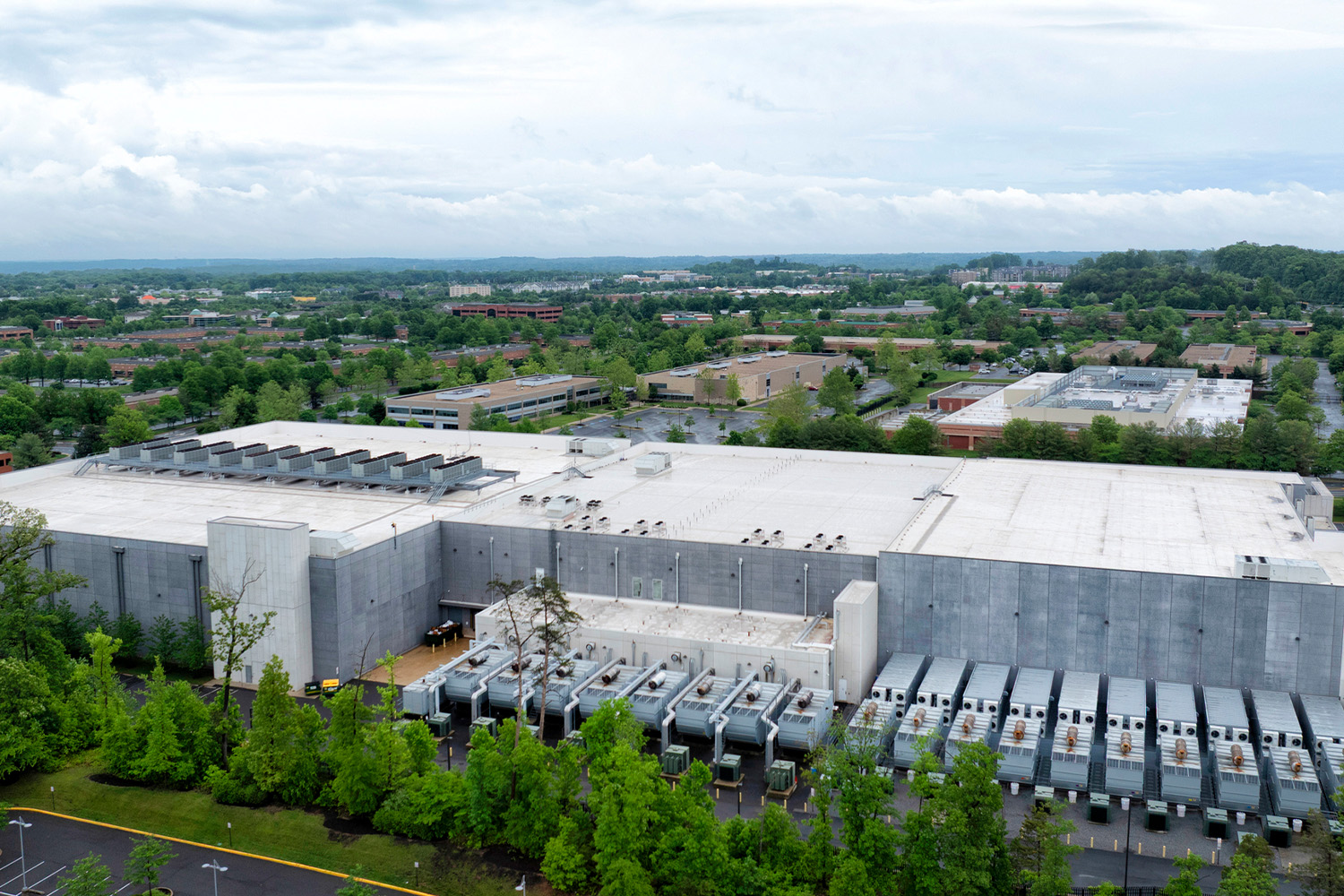
Detroit's data center and technology infrastructure investment has added a high-stakes asset class to the institutional commercial portfolio, with colocation facilities benefiting from Michigan's cool climate for data center operations and from the electrical infrastructure that industrial heritage provides. Data center roofing in Detroit carries waterproofing requirements that exceed standard commercial protocols, combined with the Michigan climate demands that make waterproofing performance critical year-round. REIT owners of Michigan data center assets need a preferred vendor who can maintain these elevated standards through the full range of Michigan weather conditions — summer storms, fall wind events, winter ice loading, and spring thaw infiltration — and who can document that maintenance in the detailed format that data center tenants and their institutional clients demand.
REIT asset managers who have managed Detroit portfolios through the city's economic recovery understand that the roofing program here is a direct expression of commitment to asset quality in a market where asset quality has historically been variable. Properties with documented, consistent roofing maintenance programs command better tenant credit profiles, command premium rents from institutional users, and achieve better disposition valuations than comparable properties with reactive maintenance histories. Building a preferred vendor program and maintaining it consistently through the market cycle is how institutional owners differentiate their Detroit portfolios from the market's legacy reputation for deferred capital investment.
Roof-area photos, access notes, leak points, rooftop equipment conditions, and visible membrane details.
Drainage, seams, curbs, penetrations, edge metal, winter exposure, repair limits, and replacement triggers.
A practical split between emergency work, repair, maintenance, coating, recover, and replacement planning.