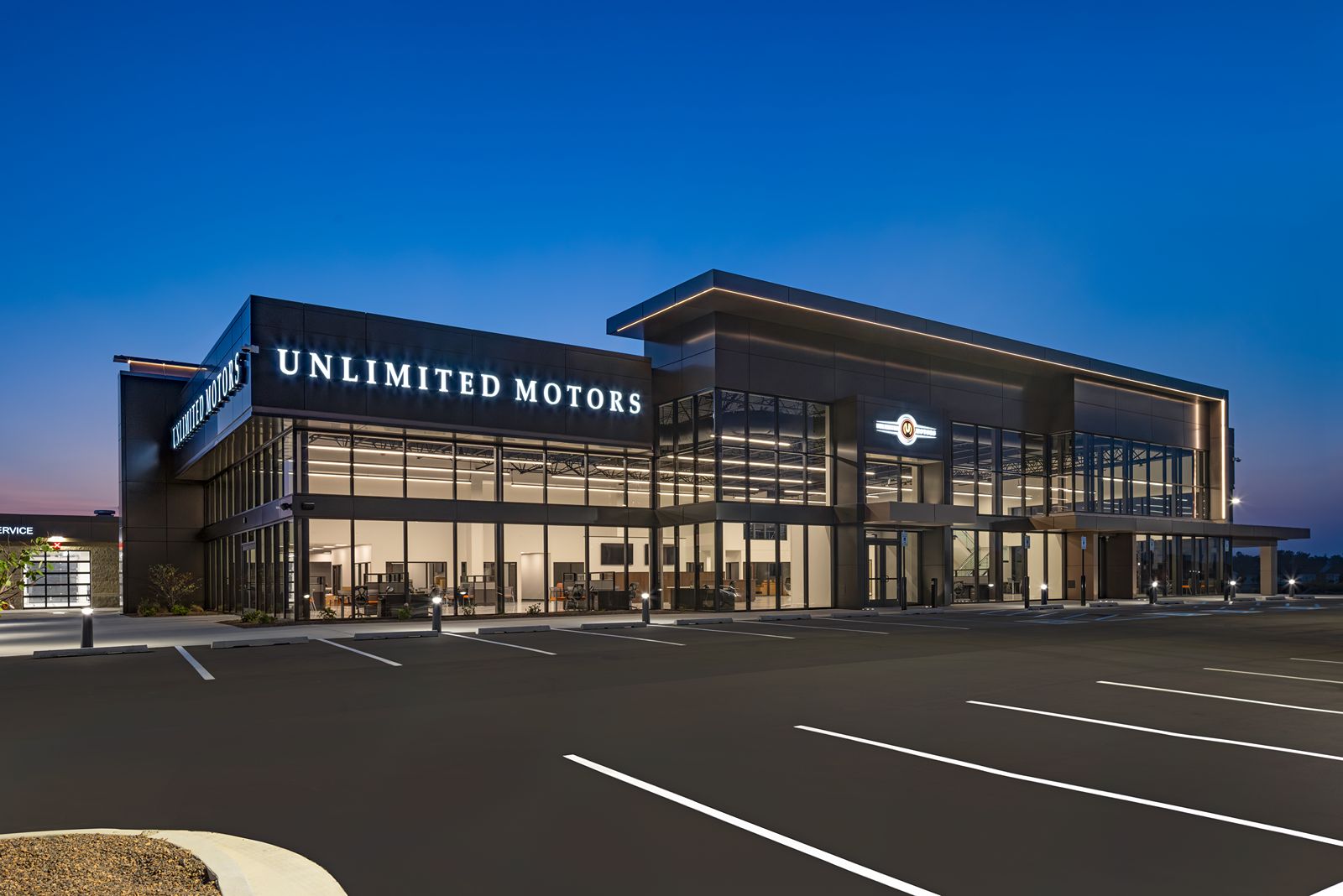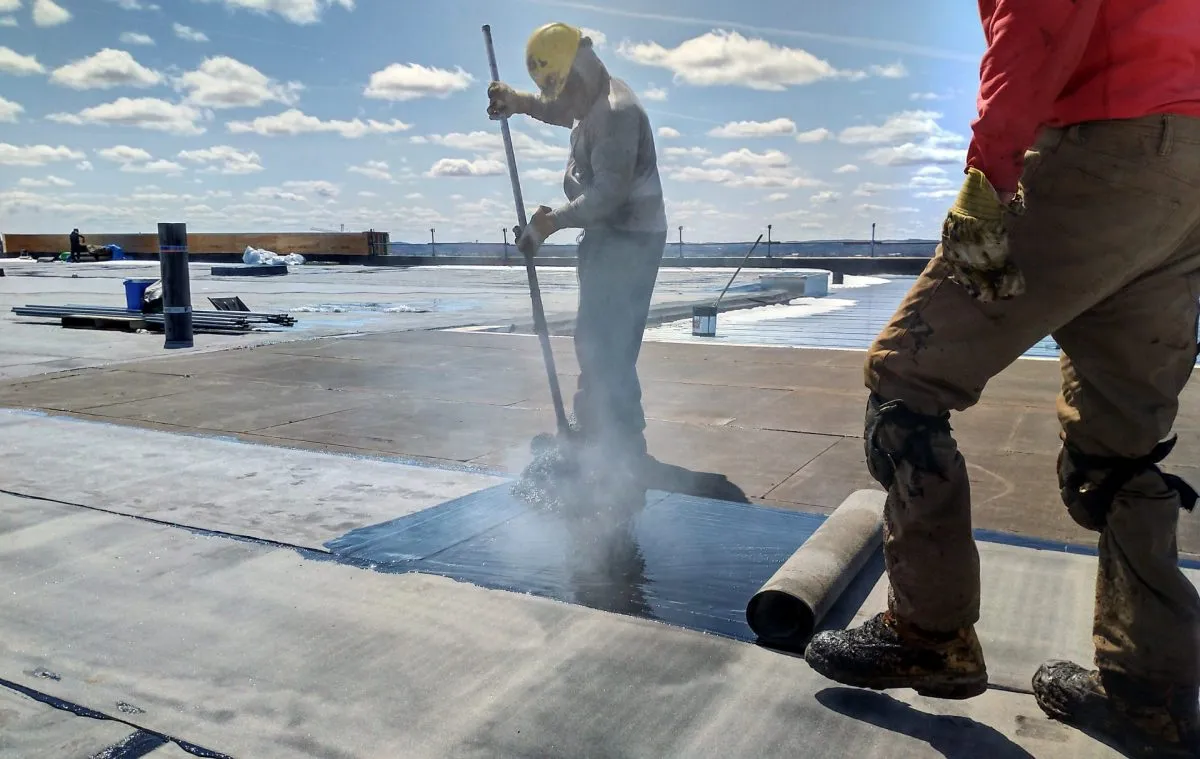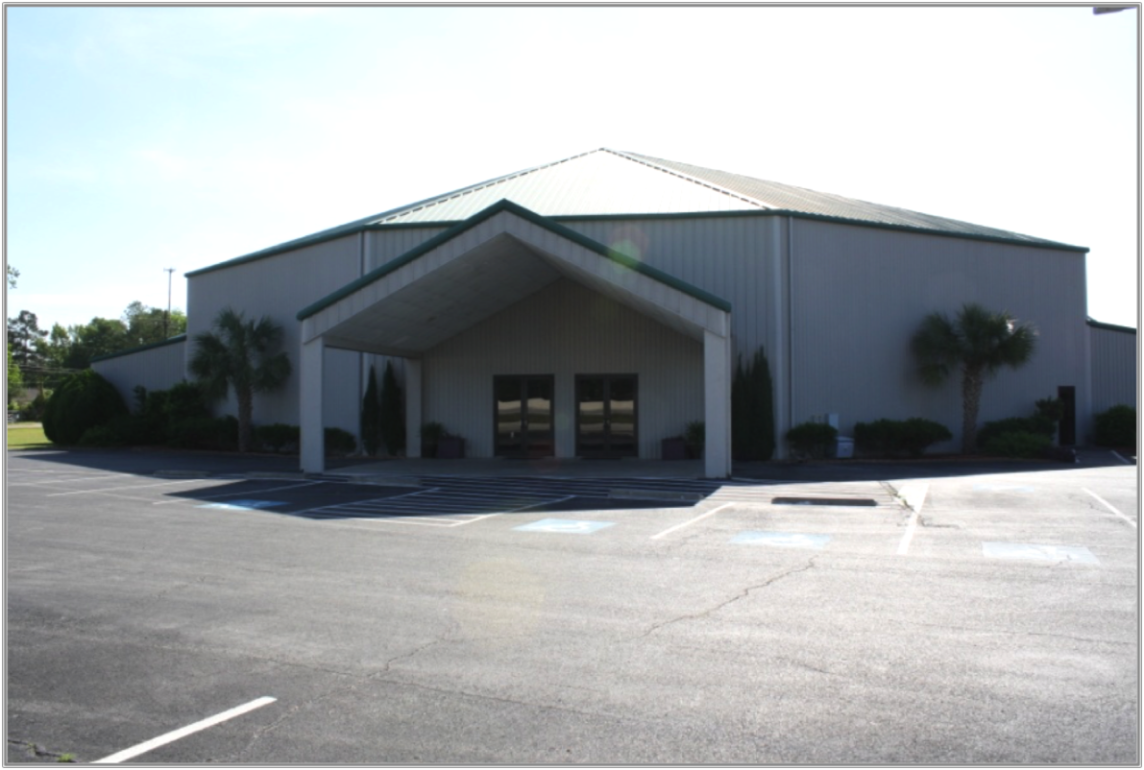
Car Wash Facility Roofing in Detroit, MI
Tunnel, in-bay, and self-serve car wash roofing built for chemical vapor, constant humidity, and the vacuum canopies that wear out first.
A roof that lives inside a chemical fog every day it operates
A car wash punishes its roof from the inside out, and that is the fact most contractors miss when they price one like an ordinary retail box. Hot detergent mist, tire-shine compounds, rust inhibitors, and wax atomize during every cycle and rise into the deck cavity, where they condense on the underside of the steel, attack fastener heads, and saturate insulation that was never meant to sit in a sauna. We approach a wash building as a humidity-and-vapor problem first and a weather problem second, because the damage that takes these roofs down almost always starts above the tunnel, not above the lobby.
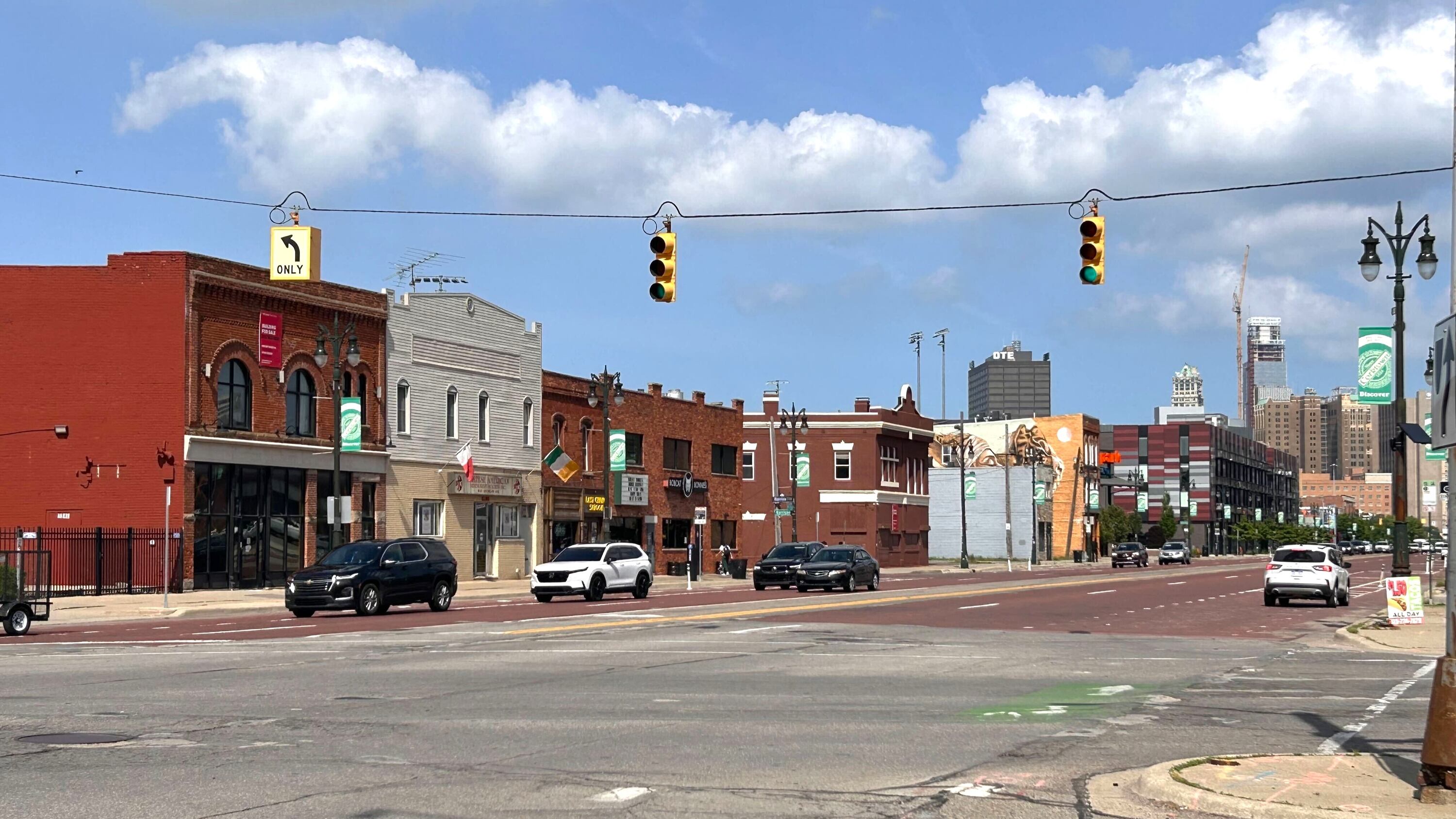
Detroit and its inner-ring suburbs are dense with exactly these properties. The Eight Mile, Gratiot, Michigan Avenue, and Telegraph commercial strips carry express tunnels and in-bay autos one after another, and the road-salt season that runs from November into March drives wash volume to its annual peak right when the roof is also fighting freeze-thaw cycling. A facility on Telegraph in Redford or a tunnel off Gratiot in Eastpointe will run wide open through every January thaw, so the roof above the wash never gets the dormant stretch a normal commercial building enjoys. That combination of relentless winter throughput and aggressive interior chemistry is why we treat membrane selection here as a chemical-compatibility decision, not a default spec.
The tunnel bay is the highest-risk zone, and we spec it that way
The enclosure directly over the active wash equipment is where roofs fail. Steam, alkaline detergent particulate, and the thermal swing from hot-water blasts age both the membrane and the seams faster than anything on the rest of the building. TPO, EPDM, and PVC each behave differently in that environment, and the difference matters: the plasticizer chemistry in PVC stands up to the alkaline detergents and wax compounds far better than standard TPO or EPDM over the long run, which is why we lean toward a fully adhered 60-mil PVC system over the tunnel. Fully adhered also kills the membrane flutter that tunnel air pressure induces and removes the fastener field that vapor loves to corrode. Before we commit to anything, we ask for the facility's actual chemical menu and confirm compatibility with the manufacturer's chemical-resistance data for that specific product.
Every wash format gets a different scope
We walk the building and price the scope to the format in front of us rather than applying one template across all of them. Drainage gets checked on every visit, because standing water over a heated, humid bay accelerates both deck corrosion and insulation breakdown.
Vacuum canopies and customer canopies fail on their own schedule
The free-vacuum islands and the entry and exit canopies are a separate roofing system with separate failure modes. They take vehicle exhaust, overspray from tire dressing, and the full thermal cycling of outdoor metal or EPDM, and the connection where the canopy ties back to the main building is the single most common leak we find on Metro Detroit express washes. Canopy drains clog, the flashing at the transition splits, and water tracks back into the building wall. We inspect and re-detail those transitions, replace failed canopy membrane or panels, and rebuild gutter and downspout runs as part of a complete car wash scope rather than leaving them as an afterthought.
Rooftop exhaust and HVAC penetrations
Wash tunnels run high-volume exhaust fans to pull steam and chemical vapor out of the building, and those penetrations cannot be flashed like an ordinary HVAC curb. The continuous airflow and chemical exposure demand oversized curbs and details matched to the equipment and the operating conditions. We treat each penetration as its own item, document it, and flash it to survive the environment it actually lives in.
Why a maintenance program pays for itself on a wash
A car wash roof rewards inspection more than almost any commercial building, because the damage that ends its life builds invisibly above the tunnel before it ever shows up as an interior leak. We recommend a scheduled program tuned to the chemistry and humidity these buildings live in: seam and termination checks at the tunnel bay, fastener-corrosion probing where the vapor concentrates, drain and scupper clearing before the salt season drives wash volume up, and canopy-transition flashing inspection each spring after the freeze-thaw cycles have worked the joints. Catching a split seam or a corroding fastener field at inspection is a small repair; finding it after the deck has saturated is a tear-off. For an operator running thin margins through a Detroit winter, that difference is the whole case for staying ahead of it.
Working around a wash that never closes
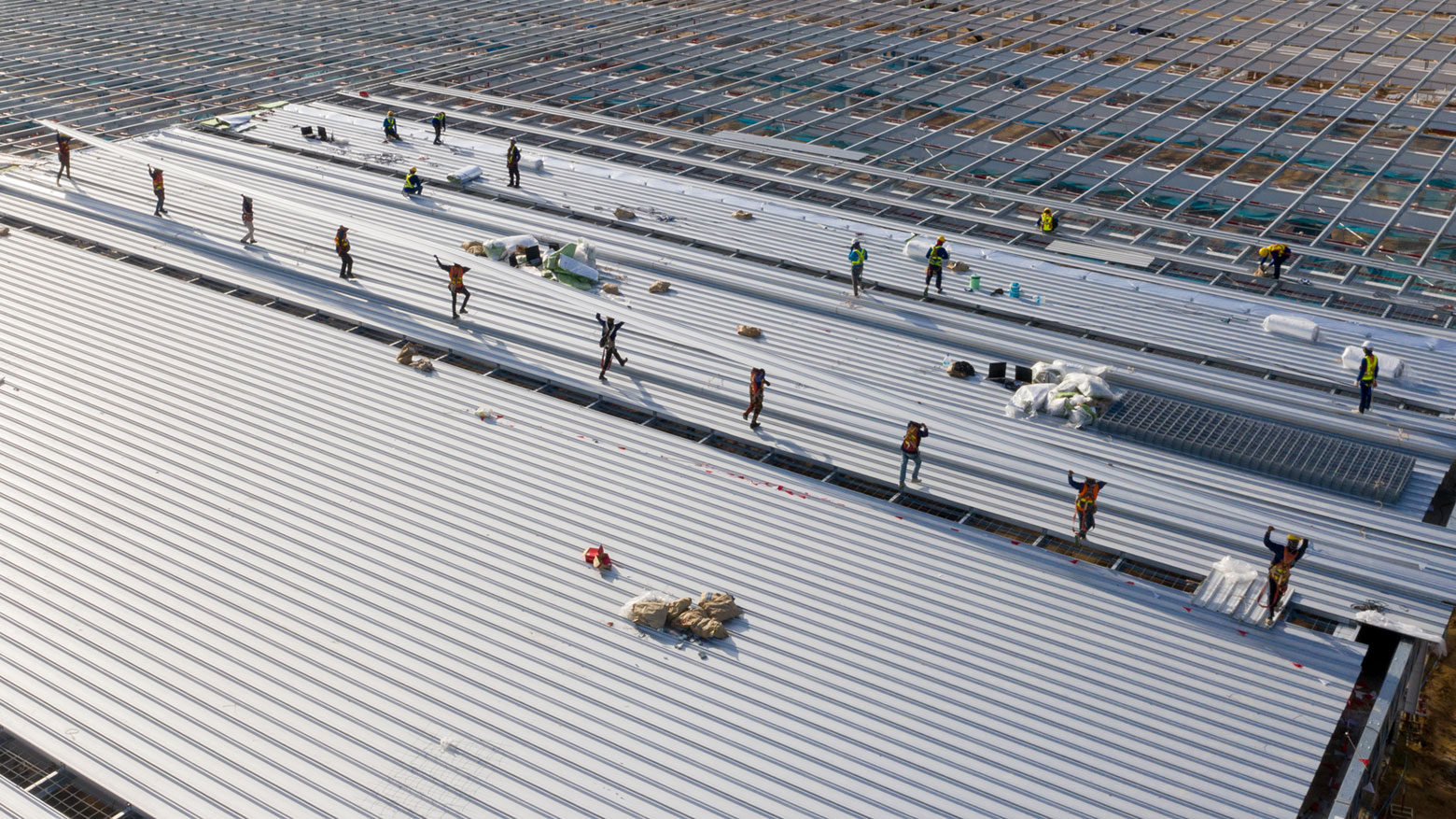
Detroit-area washes operate seven days a week through most of the year, so we sequence the work around the gate, not against it. Tunnel-bay roofing is staged into the early-morning or late-evening close window; canopy and exterior building work proceeds during open hours with traffic control and crew positioning that keeps vehicles clear of the work zone. The goal is a watertight building at the end of every shift and a wash that keeps taking cars while we work.
Common questions from Detroit car wash owners
What membrane do you put over a wash tunnel?
Typically a fully adhered or fleece-back 60-mil PVC, because it resists the alkaline detergents and wax compounds better than TPO or EPDM and eliminates the fastener field that vapor corrodes. The lobby, equipment room, and canopies can run standard TPO or mechanically attached PVC where the chemical exposure is lower.
Does chemical exposure void the warranty?
It can. Most single-ply manufacturers exclude chemical attack from their standard warranty, so before we spec a tunnel-bay system we confirm with the manufacturer that your specific chemical program is compatible and that the installation conditions are covered. Some manufacturers offer chemical-exposure warranty options, and we identify those during specification.
Can you re-roof while we stay open?
Yes. Tunnel-bay work goes into your close window and exterior building and canopy work happens during business hours with traffic control. We confirm a dry-in before every reopening.
Do you handle the vacuum and customer canopies?
Yes. Vacuum-island covers, customer waiting canopies, and the transitions back to the main building are part of our standard car wash scope, including membrane or panel replacement, gutters, downspouts, and canopy-to-building flashing.
Roof-area photos, access notes, leak points, rooftop equipment conditions, and visible membrane details.
Drainage, seams, curbs, penetrations, edge metal, winter exposure, repair limits, and replacement triggers.
A practical split between emergency work, repair, maintenance, coating, recover, and replacement planning.