Funeral Home & Mortuary Roofing in Detroit, MI
Funeral Home and Mortuary Roofing in Detroit, MI
A funeral home is a working building wrapped in a quiet one. Families arrive for a viewing on a Tuesday evening, a service fills the chapel Saturday morning, and the preparation room downstairs keeps its own schedule entirely. None of that pauses for a roof crew. We treat funeral home roofing in Detroit the way we treat a hospital floor that cannot close: the work happens around the people who depend on the building, not the other way around. Before a single fastener goes in, we sit down with the director and map the visitation calendar so that no service ever shares a wall with a tear-off.
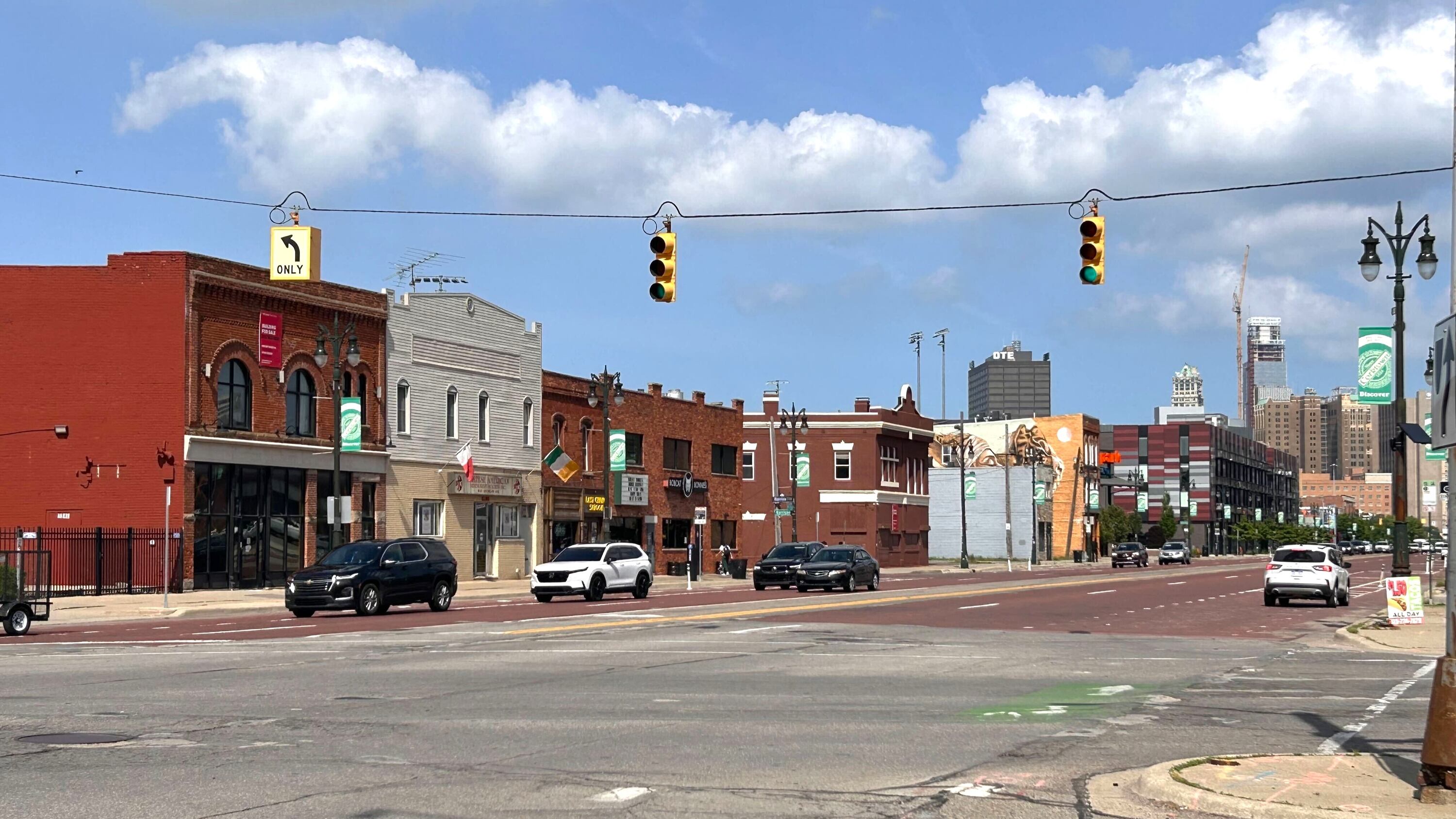
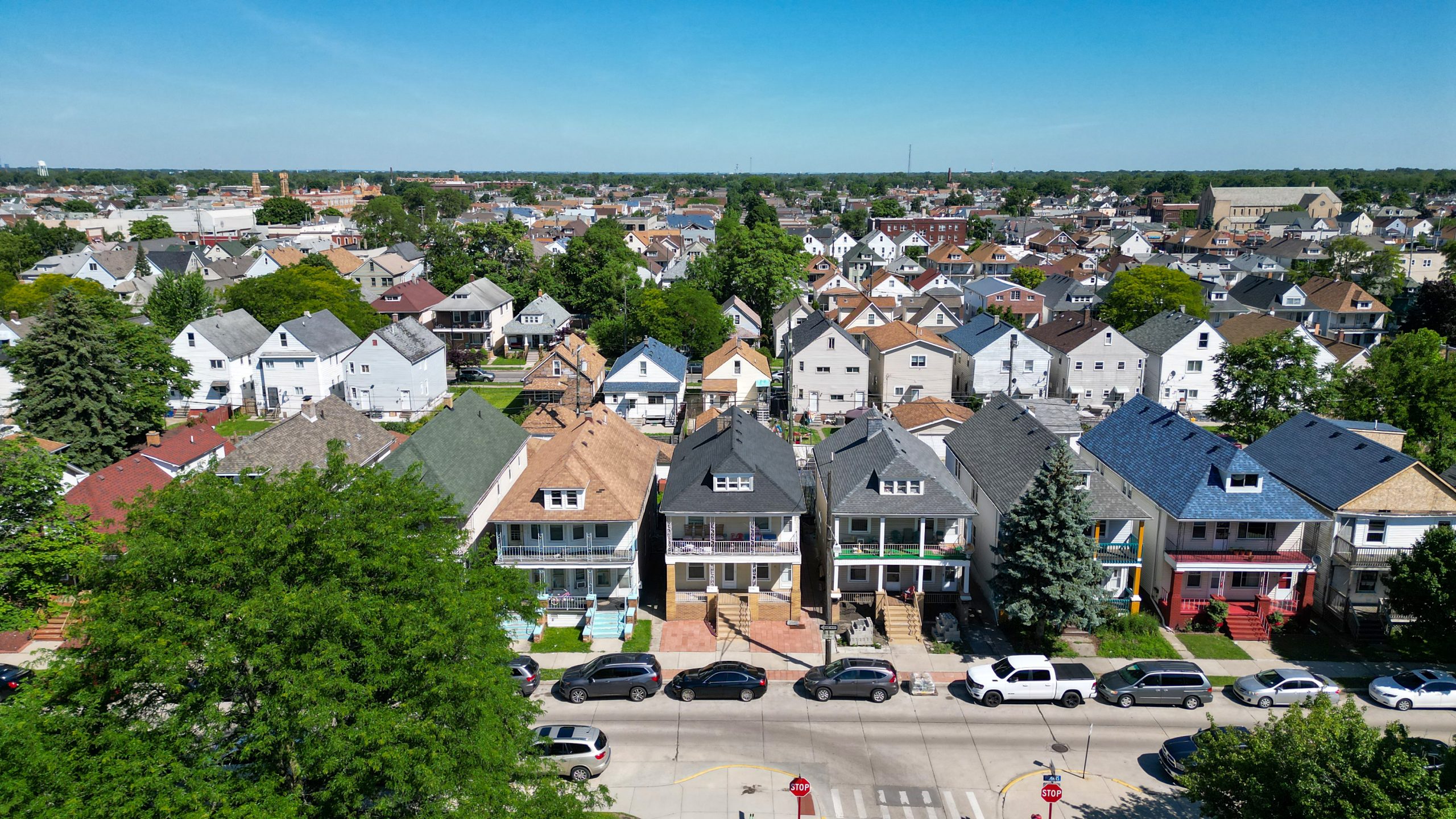
Detroit's funeral homes are spread across neighborhoods with deep roots. Along Grand River Avenue and on the city's west side, you find long-standing family chapels that have served the same parishes for generations. Out toward Livernois and the Avenue of Fashion, established firms sit among older masonry storefronts. South and east, toward Jefferson and the Grosse Pointe line, the buildings tend to be larger, with porte-cocheres and multiple viewing rooms. Each of these is a different roof problem, and the age of the housing stock around them is a clue: many of these structures were built when built-up tar-and-gravel was the standard, and a surprising number still carry it under a thin recover.
The Preparation Room Is the Part Most Contractors Get Wrong
Every mortuary has an embalming and preparation room, and that room runs under negative pressure with a dedicated rooftop exhaust stack pulling formaldehyde and other vapors up and out. Michigan licensing and OSHA exposure limits both depend on that fan running. It is not a unit we can cap for a weekend to make flashing easier. We locate the prep-room stack during the first walk, write its flashing as a separate line item, and confirm with the director that exhaust stays live the entire time anyone is working within reach of it. If the existing curb is too short or the boot is failing, we rebuild it on a schedule the building can absorb without ever shutting the fan down.
The same care applies to the smaller penetrations clustered near that room: the cooler condenser lines, the floor-drain vents, the makeup-air intake. On older Detroit buildings these were often added piecemeal over decades, and the original flashings rarely match. We document each one and detail it individually rather than running a single generic boot down the line.
The chapel is usually the largest single roof area on the building, and it tends to be a clear span — 40 to 60 feet with no interior columns, much like a small sanctuary. A span that wide moves under wind and under Detroit's freeze-thaw cycling, and it pulls hard at the perimeter fastening. We test fastener pull-out on the actual deck before we commit to an attachment pattern, because a chapel built on a wood deck and one built on steel call for completely different specifications. Get that wrong and the first January windstorm finds the weak edge.
Viewing rooms and the lobby connecting them are quieter spaces, but they sit directly under the most-walked part of the roof. We stage material storage and foot traffic away from those areas during service hours so that no family ever hears a crew overhead during a goodbye.
Appearance and the Porte-Cochere
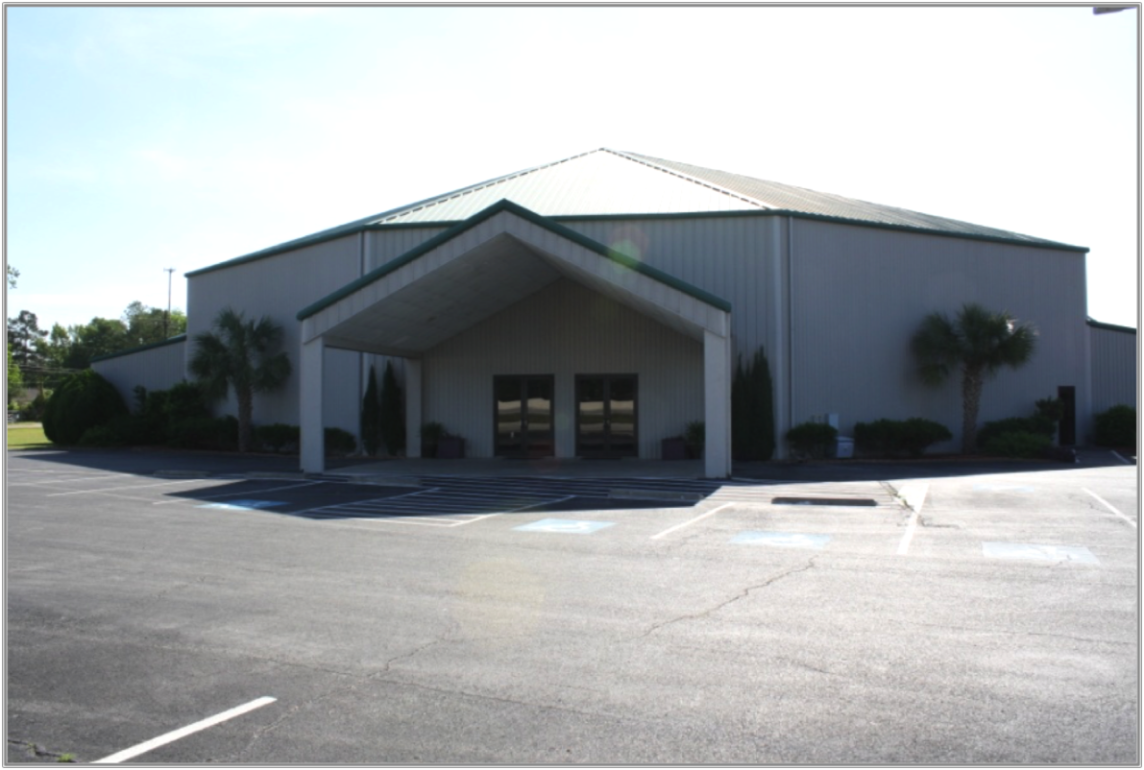
Curb appeal matters more here than on almost any other commercial building. The covered drive where families are received — the porte-cochere — is the first thing a grieving family sees, and its roof and the transition where it ties into the main building are the most common chronic leak we find on Detroit funeral homes. That connection takes thermal movement, snow load, and decades of differential settlement, and a standard wall flashing was never built to ride all of it. We re-detail the canopy-to-wall transition as its own scope and keep the visible edge metal clean and straight, because a stained, sagging entry canopy is the wrong message to send at the door.
How We Schedule Around Services
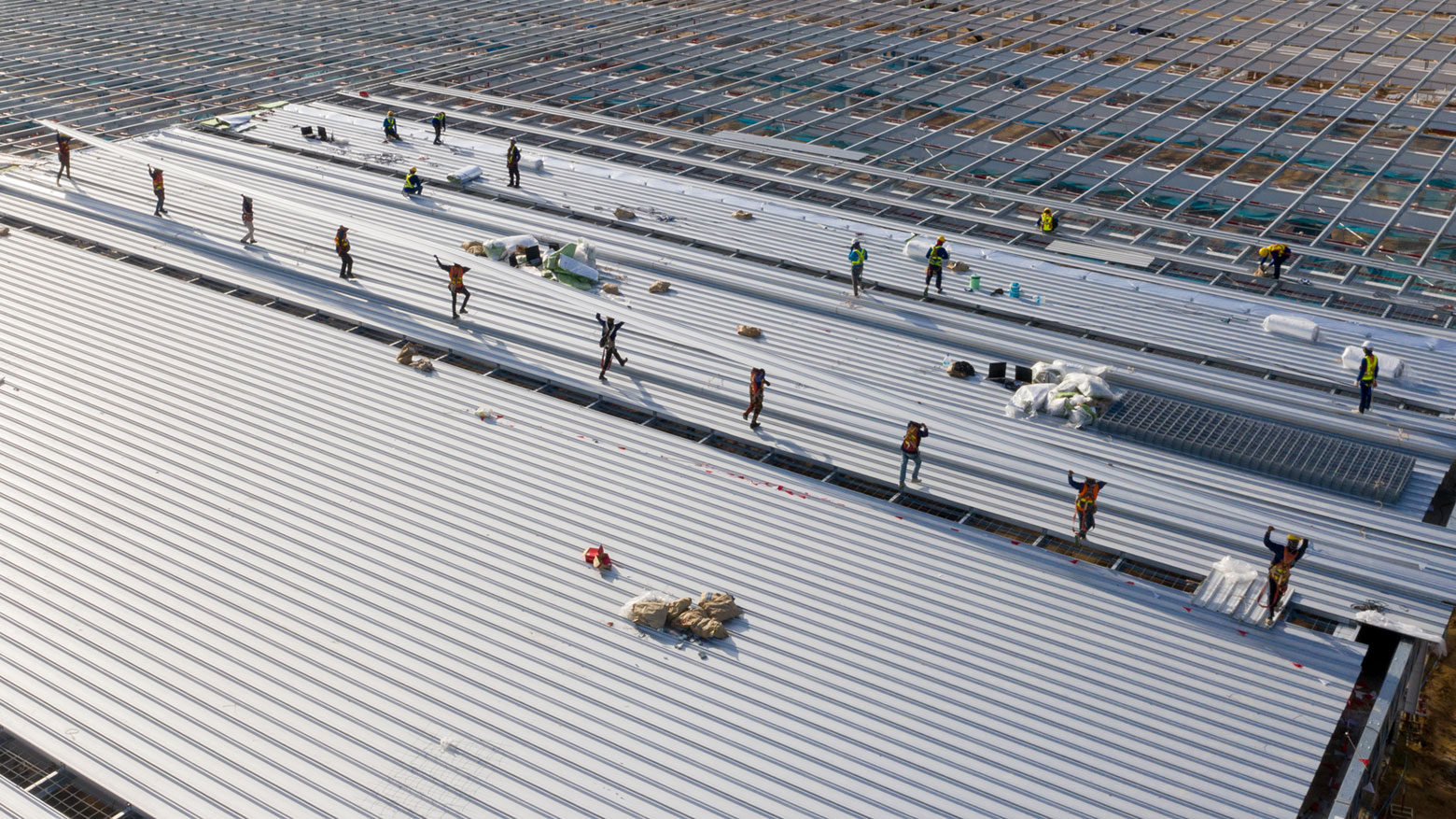
The director sends us the week's services and visitations, and we plan the sequence backward from there. Loud work — tear-off, fastening, deck repair — is confined to mid-morning and early-afternoon windows on days with no service in the affected wing. Every work area is dried in and watertight before the building closes for the evening, confirmed in writing to the director before the crew leaves. We do not occupy the chapel, the main entry, or the family lounge while those spaces are in use. A roof project should be something the families never noticed was happening.
Systems We Specify for Detroit Funeral Homes
Family-Owned and Corporate Alike
Some Detroit funeral homes are multi-generational family businesses where the owner is also the director answering the phone at 2 a.m. Others belong to regional groups with a facilities manager handling the building from a corporate office. We work with both. The family owner gets a contractor who shows up quietly, keeps the site clean, and treats the building with respect. The corporate manager gets the documentation their asset file needs: permit and final inspection, manufacturer warranty registration, a roof diagram with every penetration logged, and dated photos of the completed details. Either way the standard is the same.
Will families notice the work during a service?
No. We schedule loud work only when the affected wing has no service that day, keep the chapel and entry clear during service hours, and stage crews and materials away from occupied rooms. The director receives the plan in advance and confirms each day's windows.
Can the preparation room exhaust stay on the whole time?
Yes, and it must. We locate the prep-room stack first, flash around it as a separate task, and never cap or block it. If the curb or boot needs replacing we phase that work so the fan never goes offline.
Our chapel ceiling has no columns — is that a problem?
It is a clear span, and we plan for it. We test the deck's fastener pull-out and design the attachment pattern for that specific span and deck type so the roof holds through Detroit's winter wind events.
The entry canopy always seems to leak. Why?
The porte-cochere-to-building joint is the most common chronic leak on funeral homes. We re-detail that transition for the movement it actually sees rather than patching the field membrane, which never fixes it on its own.
What do we get when the job is done?
A complete closeout package: permit and final inspection certificate, manufacturer warranty in the owner's name, a roof zone diagram with the penetration inventory, and photographic documentation of every flashing and transition.
Roof-area photos, access notes, leak points, rooftop equipment conditions, and visible membrane details.
Drainage, seams, curbs, penetrations, edge metal, winter exposure, repair limits, and replacement triggers.
A practical split between emergency work, repair, maintenance, coating, recover, and replacement planning.